
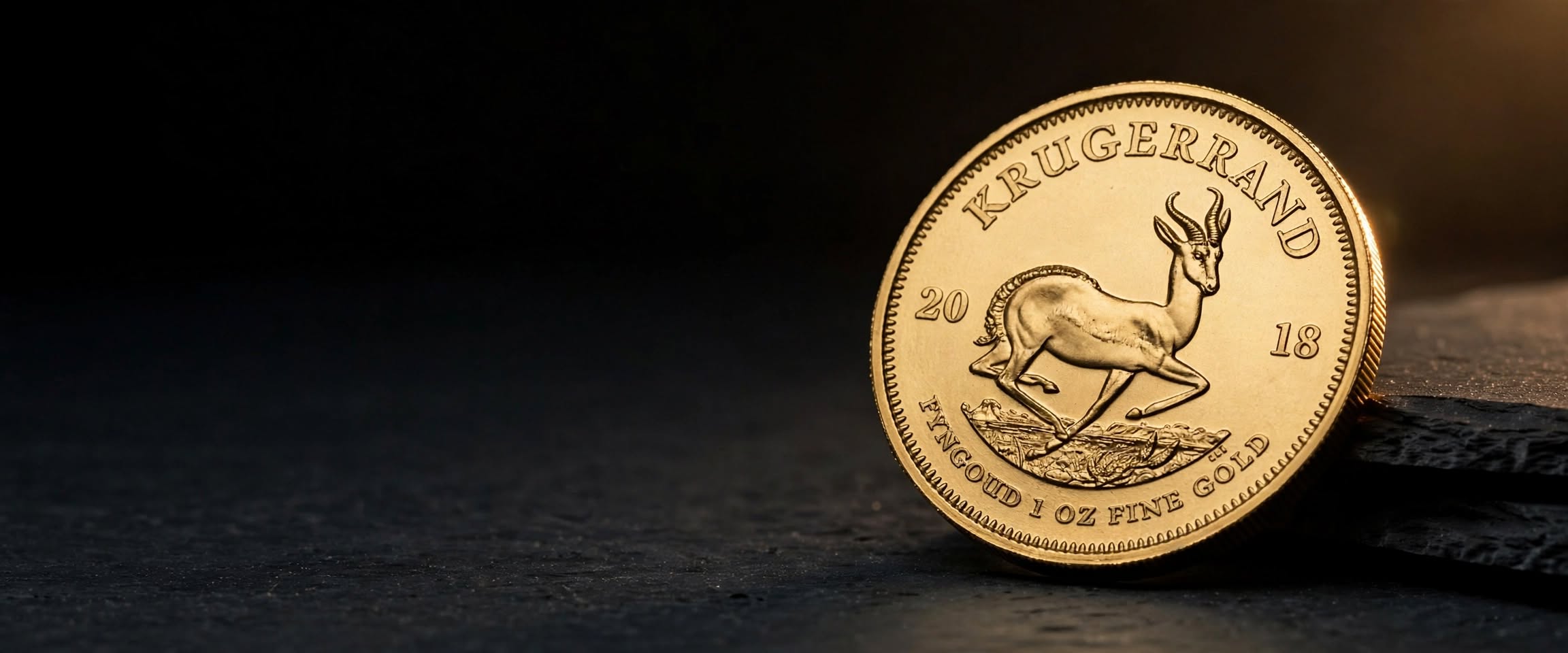
Krugerrands for sale
View all 5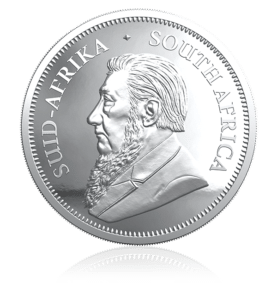
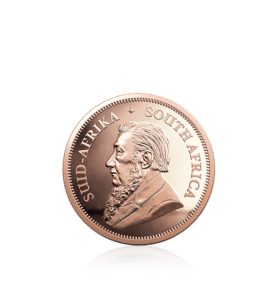
One ounce of pure gold
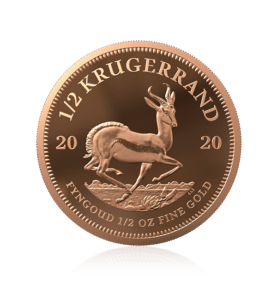
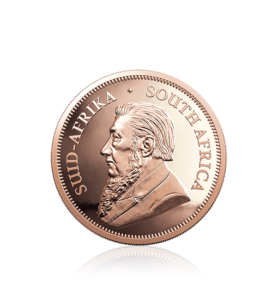
A 1 oz Krugerrand holds a full troy ounce of gold, made 22 carat with a little copper so it lasts. Paul Kruger is on the front, a springbok on the back.
- 31.10 gpure gold
- 22 ct91.67% gold
- 33.93 gcoin weight
Four sizes
Shown to scale. Each holds its weight in pure gold.
- 1 oz
- 1/2 oz
- 1/4 oz
- 1/10 oz
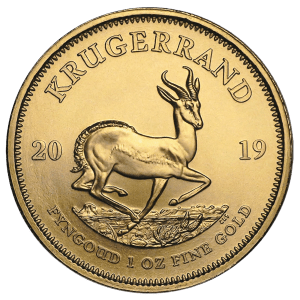
Bullion or proof?
Bullion
Made in large numbers. Bought for the gold, priced close to the gold price.
Proof
Mirror finish, fewer made, usually in a capsule with a certificate. Bought by collectors.
Check before you pay
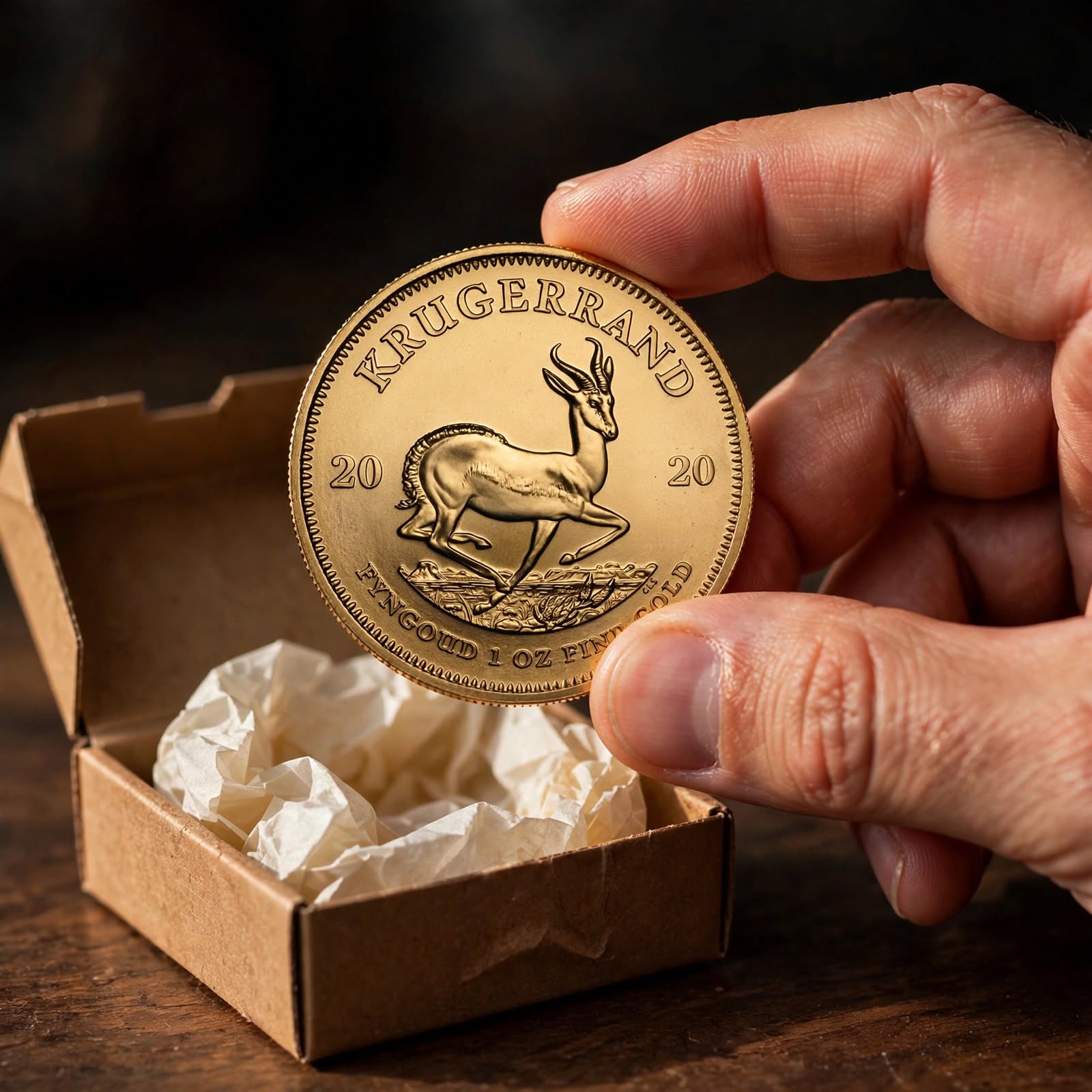
- Weigh itA 1 oz coin weighs 33.93 g.
- Measure itIt is 32.77 mm across.
- Look closelySharp, even detail on both sides.
- Try a magnetReal gold will not stick.
Your money stays safe
- You pay. TradeSafe holds the money, not the seller.
- The coin arrives and you check it.
- Happy? The seller is paid. If not, the money stays held.
Krugerrand questions
What is a Krugerrand?
The Krugerrand is a South African gold coin, first minted in 1967 by the South African Mint. It was one of the first coins made so people could own gold in small, easy-to-trade amounts, and it is still one of the most widely traded gold coins in the world.
Why is it called a Krugerrand?
The name joins Paul Kruger, the former president shown on the front of the coin, with the rand, South Africa's currency. The back of the coin shows a springbok.
How much gold is in a Krugerrand?
A 1 oz Krugerrand contains one troy ounce (31.10 g) of pure gold. The coin itself weighs 33.93 g because the gold is mixed with copper to make it 22 carat (91.67% gold).
What sizes do Krugerrands come in?
There are four main sizes. The 1 oz coin holds 31.10 g of gold, weighs 33.93 g and is 32.77 mm across. The 1/2 oz holds 15.55 g (16.97 g, 27.07 mm), the 1/4 oz holds 7.78 g (8.48 g, 22.06 mm) and the 1/10 oz holds 3.11 g (3.39 g, 16.55 mm). The smaller sizes have been made since 1980.
Why are Krugerrands a darker, orange colour?
The gold is mixed with copper to make a 22 carat coin. The copper makes the coin harder to scratch and dent than pure gold, and gives Krugerrands their warm, orange colour.
Is a Krugerrand legal tender?
Yes, Krugerrands are legal tender in South Africa, but they have no rand value printed on them. What a Krugerrand is worth depends on the gold inside it, and for some coins on how collectable they are.
How is the price of a Krugerrand worked out?
Most of a Krugerrand's value comes from the gold price in rand, which changes every day. Sellers usually add a small premium on top. Proof coins, rare years, early coins in very good condition and coins in their original box or with a certificate can sell for more than their gold value because collectors want them.
What is the difference between a bullion and a proof Krugerrand?
Bullion Krugerrands are made in large numbers and are mostly bought for their gold. Proof Krugerrands are struck with specially polished dies, giving a mirror-like background and frosted design. They are made in smaller numbers, usually come sealed in a capsule with a certificate, and are mostly bought by collectors. When you buy a proof, ask for photos of the capsule and certificate.
How can I tell if a Krugerrand is real?
Check the weight and size first: a 1 oz Krugerrand weighs 33.93 g and is 32.77 mm across, and fakes are often a little light, heavy or too thick. Look for sharp, even detail on Kruger and the springbok, clean edges and the right colour. A real gold coin is not magnetic. Fakes exist, so pay through escrow so your money is only released once you have checked the coin.
What should I look for in a Krugerrand listing?
Clear photos of both sides, the year, the size (1 oz, 1/2 oz, 1/4 oz or 1/10 oz), whether it is bullion or proof, and any box, capsule or certificate. If something is missing, use "Ask seller a question" on the listing before you buy.
Is it safe to buy a Krugerrand on Thesouthmart?
Every purchase on Thesouthmart is paid through escrow. Your money is held by TradeSafe, an independent escrow provider, and only released to the seller once you confirm the coin arrived as described. If it does not, you can report a problem and the money stays held while it is sorted out.
How do I sell my Krugerrands?
Create a seller account, then list each coin with clear photos of both sides, the year, the size, whether it is bullion or proof, and any box or certificate. Buyers pay into escrow, so you know the money is there before you send the coin.
Selling Krugerrands?
List your coins with no listing fees. Buyers pay into escrow, so you know the money is there before you send.